The Patient Experience: What to Expect During TMS Treatment
When patients hear about Transcranial Magnetic Stimulation (TMS) for the first time, it is natural to have questions or even some anxiety about the procedure. Understanding what actually happens during TMS treatment can help reduce fear and make patients feel more comfortable and confident about the process.
TMS therapy is a non-invasive brain stimulation technique that uses magnetic pulses to stimulate specific areas of the brain involved in mood regulation and neurological function. It has gained significant recognition for treating conditions such as treatment-resistant depression, and ongoing research is exploring its role in several neurological disorders.
One of the biggest advantages of TMS therapy is that it is safe, painless for most patients, and does not require anesthesia or sedation. The treatment is performed on an outpatient basis, allowing patients to return to their daily routine immediately after each session.
In Faridabad, patients seeking advanced brain stimulation therapy often consult Dr Kunal Bahrani, the Best Neurologist for Transcranial Magnetic Stimulation (TMS) in Faridabad, who provides expert evaluation and personalized treatment plans for individuals who may benefit from TMS therapy.
This guide explains the complete patient experience during TMS treatment, from the initial consultation to what happens during each session and what to expect afterward.
What Is TMS Therapy?
Transcranial Magnetic Stimulation (TMS) is a medical procedure that uses electromagnetic pulses to stimulate nerve cells in specific areas of the brain.
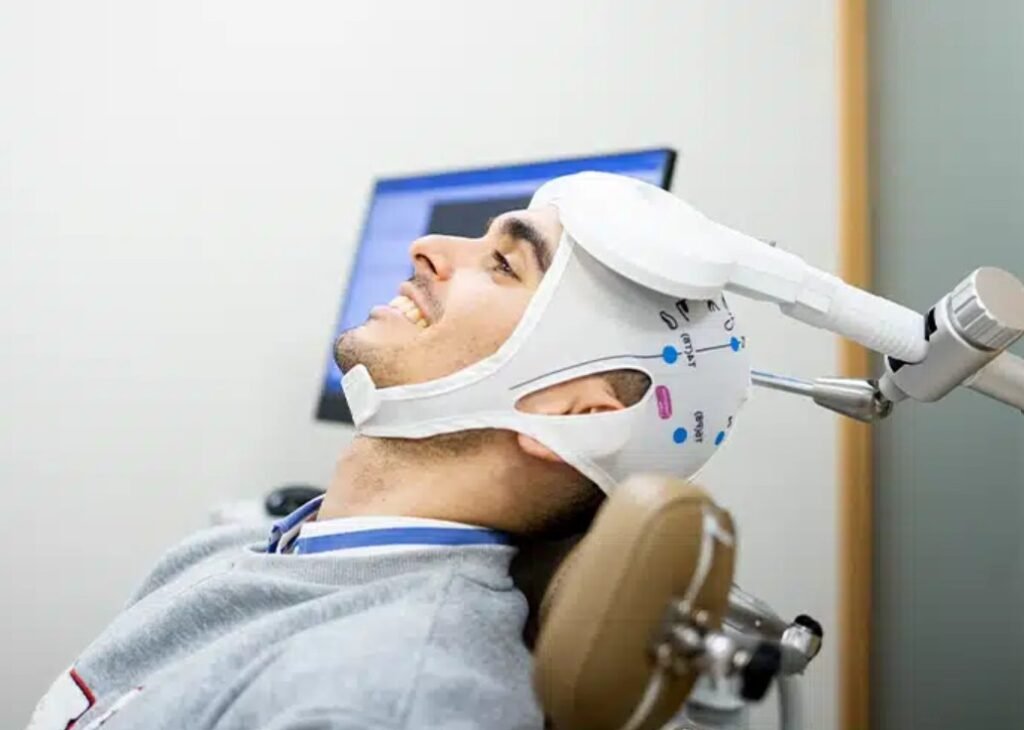
The treatment involves placing a small magnetic coil on the scalp, usually near the forehead. The coil generates magnetic pulses that pass through the skull and stimulate targeted brain regions.
These pulses create small electrical currents in the brain, which help regulate neural activity and improve communication between brain cells.
Unlike many other treatments for brain disorders, TMS:
- Does not require surgery
- Does not involve anesthesia
- Does not require hospitalization
- Allows patients to remain awake and alert during treatment
Step-by-Step Walkthrough of TMS Treatment
Understanding each stage of the TMS treatment process can help patients feel more prepared and relaxed.
- Pre-Treatment Evaluation
Before beginning TMS therapy, patients undergo a detailed medical evaluation with a neurologist or mental health specialist.
During this consultation, the doctor will:
- Review your medical history
- Discuss your symptoms and previous treatments
- Evaluate whether TMS is appropriate for your condition
- Explain the benefits, risks, and expected outcomes
The doctor may also ask about:
- Medications you are currently taking
- Any history of seizures
- Presence of metal implants in the head or body
This evaluation ensures that TMS therapy is safe and suitable for the patient.
At specialized centers, experienced neurologists like Dr Kunal Bahrani, the Best Neurologist for Transcranial Magnetic Stimulation (TMS) in Faridabad, carefully assess each patient before recommending treatment.
- Brain Mapping and Targeting
During the first treatment session, the doctor performs a process called brain mapping.
This step helps identify the exact location in the brain that needs to be stimulated.
The doctor will:
- Place the magnetic coil against your scalp
- Deliver a few brief pulses to determine the correct treatment intensity
- Identify the motor threshold (the level of stimulation needed to activate specific brain regions)
This process ensures that TMS treatment is precise and personalized for each patient.
- Coil Placement
Once the correct brain area has been identified, the magnetic coil is positioned on the scalp.
The coil is usually placed over the left prefrontal cortex, a region associated with mood regulation and emotional processing.
Patients sit comfortably in a treatment chair while the coil is positioned securely on the head.
The treatment area does not require shaving or surgical preparation.
- Typical Session Length
A typical TMS therapy session lasts 20 to 40 minutes, depending on the treatment protocol.
During the session:
- The coil delivers a series of magnetic pulses
- Pulses are given in short bursts with pauses between them
- The patient remains awake and seated comfortably
Most patients undergo daily sessions five days per week for several weeks.
A full course of treatment typically involves 20 to 30 sessions, although the exact number depends on the patient’s condition and response to therapy.
- Sensations Patients May Feel
One of the most common questions patients ask is what the treatment feels like.
During TMS therapy, patients may notice:
- A light tapping sensation on the scalp
- Mild tingling in the treatment area
- A clicking sound from the TMS machine
These sensations are usually mild and well tolerated.
Some patients may experience slight discomfort during the first few sessions, but most people quickly adapt to the sensation.
Importantly, TMS does not cause pain or loss of consciousness.
What Happens After Treatment?
One of the biggest advantages of TMS therapy is the minimal recovery time required.
Because the treatment does not involve anesthesia or sedation, patients can:
- Drive themselves home
- Return to work
- Continue daily activities immediately
Some patients may experience minor side effects such as:
- Mild headache
- Temporary scalp discomfort
- Slight fatigue
These symptoms are usually short-lived and resolve within a few hours.
There are no long-term cognitive side effects, and patients typically remain mentally alert throughout the treatment process.
When Do Patients Start Seeing Results?
The response to TMS therapy can vary from person to person.
Some patients begin to notice improvements in symptoms after 2 to 3 weeks of treatment, while others may experience gradual improvement over the full treatment course.
Common improvements may include:
- Better mood and emotional stability
- Improved sleep
- Increased energy levels
- Reduced anxiety or negative thoughts
Doctors closely monitor patient progress and adjust treatment protocols when necessary.
Why Choosing the Right Specialist Matters
Although TMS therapy is considered safe and effective, the success of treatment depends significantly on proper diagnosis, precise targeting, and individualized treatment planning.
Consulting an experienced neurologist ensures that patients receive:
- Accurate evaluation
- Personalized therapy protocols
- Safe and effective treatment delivery
Patients in Faridabad seeking advanced TMS therapy often consult Dr Kunal Bahrani, widely recognized as the Best Neurologist for Transcranial Magnetic Stimulation (TMS) in Faridabad, who specializes in modern neuromodulation therapies and comprehensive neurological care.
Conclusion
Transcranial Magnetic Stimulation has revolutionized the treatment of several neurological and psychiatric conditions. For many patients who have not responded well to traditional therapies, TMS offers a safe, non-invasive, and patient-friendly alternative.
The procedure is straightforward, comfortable, and requires no downtime. From the initial consultation to the treatment sessions and recovery, the entire process is designed to minimize stress and maximize therapeutic benefit.
By understanding what to expect during TMS treatment, patients can approach therapy with confidence and peace of mind.
With expert care from specialists such as Dr Kunal Bahrani, the Best Neurologist for Transcranial Magnetic Stimulation (TMS) in Faridabad, patients can explore advanced treatment options that may significantly improve their quality of life.
Frequently Asked Questions (FAQs)
- Is TMS therapy painful?
TMS therapy is generally not painful. Most patients feel a light tapping sensation on the scalp during treatment, which becomes more comfortable after a few sessions.
- How many TMS sessions are required?
Most patients require 20 to 30 sessions over several weeks, typically performed five days per week.
- When do results from TMS therapy start?
Some patients begin noticing improvements within 2–3 weeks, although full benefits may take the entire course of treatment.
- Can I drive after a TMS session?
Yes. Since there is no sedation or anesthesia, patients can drive and resume normal activities immediately after treatment.
- Are there side effects of TMS therapy?
Side effects are usually mild and may include temporary headache or scalp discomfort. Serious complications are extremely rare.
- Is TMS therapy safe?
Yes, TMS therapy is considered safe when performed by trained medical professionals in an appropriate clinical setting.
- Who should not undergo TMS therapy?
People with certain metal implants in or near the head, such as aneurysm clips or cochlear implants, may not be eligible for TMS. A doctor must evaluate suitability before treatment.