
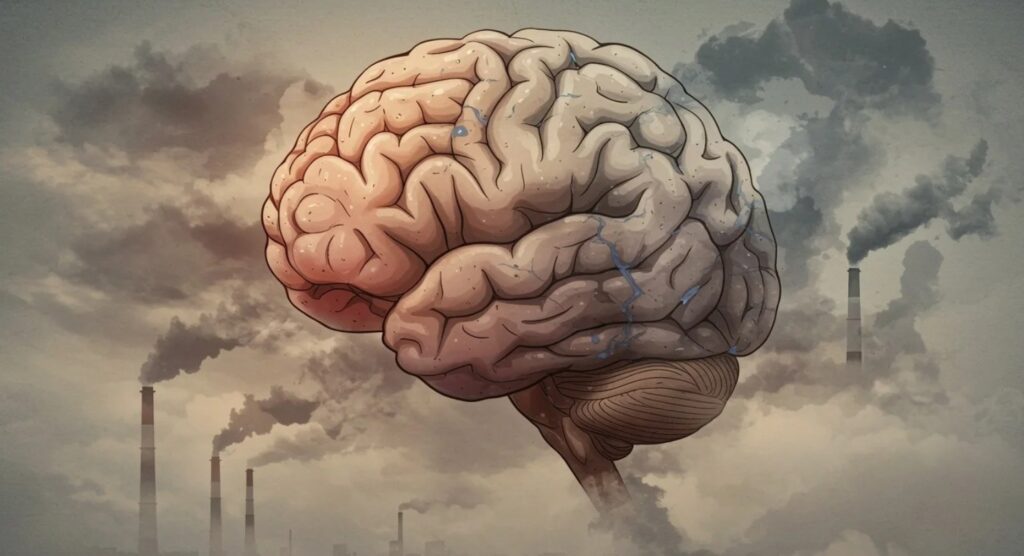
How Air Pollution Affects the Brain: Stroke, Memory Decline, Migraine & More
Air pollution has become one of the biggest public health threats in India, especially in metro cities like Delhi-NCR, where AQI frequently touches hazardous levels. While most people understand that poor air quality damages the lungs and heart, very few know that polluted air also silently harms the brain.
Recent medical studies have confirmed a strong association between high levels of particulate matter (PM2.5, PM10), toxic gases (NO2, CO, SO2), and neurological disorders. From headaches and migraines to stroke, memory decline, anxiety, and neuroinflammation, polluted air affects the brain in ways that are dangerous yet often overlooked.
This blog explains how air pollution impacts brain health, why Indians are at higher risk today, and what you can do to protect yourself and your family.
Understanding the Link Between Air Pollution and the Brain
Air pollution contains microscopic harmful particles that enter the body through the nose and lungs. These particles can travel directly to the brain through the olfactory nerve, and also indirectly through the bloodstream.
Once they enter the brain, pollutants cause:
- Inflammation of brain tissues
- Oxidative stress
- Shrinking of grey matter
- Narrowing of blood vessels
- Reduced oxygen supply to brain cells
Over time, this can lead to neurological symptoms, cognitive decline, and increased risk of stroke.
- Air Pollution and Stroke: A Dangerous Connection
Stroke occurs when the blood supply to the brain is blocked (ischemic stroke) or when a blood vessel ruptures (hemorrhagic stroke). Air pollution increases stroke risk through multiple mechanisms:
How polluted air triggers stroke
- PM2.5 enters blood circulation, leading to inflammation of blood vessels.
- Increases blood clot formation, raising the risk of ischemic stroke.
- Raises blood pressure, especially in the elderly.
- Reduces oxygen saturation, making the brain vulnerable.
- Accelerates atherosclerosis, leading to artery blockages.
Several studies show that even short-term exposure to polluted air increases emergency room visits for stroke.
Who is most at risk?
- Elderly individuals
- Smokers
- People with hypertension or diabetes
- Those living in high-density urban areas
- Outdoor workers (traffic police, vendors, construction workers)
Delhi-NCR sees a significant rise in stroke cases every winter when pollution spikes drastically.
- Air Pollution and Memory Decline
Chronic exposure to toxic air contributes to:
- Long-term cognitive decline
- Reduced attention
- Learning difficulties
- Faster brain aging
PM2.5 and nitrogen dioxide (NO2) cause shrinking of certain brain regions—particularly those responsible for memory and decision-making. Research suggests that prolonged exposure may even speed up the development of neurodegenerative diseases such as Alzheimer’s disease.
Children and teenagers are especially vulnerable because their developing brains absorb pollutants more aggressively.
- Air Pollution and Migraine or Chronic Headaches
Many Delhi-NCR residents complain of frequent headaches during high AQI days. This is not a coincidence.
Why polluted air triggers migraines
- Irritation of nasal passages and sinuses
- Oxygen deficiency leading to brain vessel dilation
- Increased inflammation and nerve hypersensitivity
- Direct impact on the trigeminal nerve (major migraine pathway)
Patients with a history of migraine often report severe, longer, and more frequent attacks during smog season.
Pollution also worsens symptoms of sinusitis, tension headaches, and cluster headaches.
- Air Pollution and Mental Health Disorders
Air pollution doesn’t just affect physical brain functions—it also impacts emotional and psychological well-being.
High pollution levels are linked with:
- Anxiety
- Irritability
- Depression
- Sleep disturbances
- Reduced stress tolerance
This happens because toxic particles increase inflammatory markers in the brain and disrupt neurotransmitter balance.
Children exposed to polluted air for long durations show higher risks of attention deficit disorders, mood swings, and behavioral changes.
- Air Pollution and Neuroinflammation
Neuroinflammation is the main mechanism through which air pollution damages the brain.
It leads to:
- Breakdown of the blood–brain barrier
- Death of nerve cells
- Impaired communication between neurons
- Higher susceptibility to stroke, seizures, and neurodegeneration
People living in polluted cities show measurable structural changes in MRI scans compared to those living in cleaner environments.
How to Protect Your Brain from Air Pollution
Even though exposure cannot be eliminated completely, you can significantly reduce its effects by adopting preventive measures:
- Use N95 or N99 masks outdoors
Surgical masks do not filter PM2.5.
- Install air purifiers at home
Especially in bedrooms, where we spend most time.
- Avoid outdoor workouts during high AQI
Exercise increases pollutant inhalation by 5–10 times.
- Keep indoor plants
Such as areca palm, snake plant, and peace lily.
- Maintain hydration
Dehydration increases headache frequency.
- Strengthen immunity and brain health
Include omega-3 foods, antioxidants, leafy vegetables, and nuts.
- Monitor symptoms early
Persistent headaches, dizziness, blurred vision, or numbness must be evaluated.
- Consult a neurologist on time
Especially if you have risk factors like hypertension, diabetes, smoking, or previous stroke history.
FAQs
- Can air pollution really cause stroke?
Yes. Multiple studies have confirmed a strong link between high levels of PM2.5 and increased stroke rates. Polluted air causes inflammation, blood clot formation, and narrowing of blood vessels, directly increasing stroke risk.
- Why does my headache worsen during pollution days?
Pollutants irritate the sinuses, reduce oxygen supply, and trigger nerve hypersensitivity, leading to intense headaches or migraines.
- Are children more vulnerable to brain damage from pollution?
Yes. Children breathe faster, and their developing brains absorb pollutants more readily, increasing the risk of learning difficulties and behavioral changes.
- Can pollution cause memory loss?
Chronic exposure to polluted air can impair memory, concentration, and cognitive speed due to inflammation and shrinking of brain structures.
- How can I protect myself from brain-related effects of air pollution?
Wearing N95 masks, using air purifiers, avoiding outdoor exercise during high AQI, and regular neurological checkups can significantly reduce risk.
Conclusion
Air pollution is no longer just a respiratory or cardiac issue—it is a major neurological threat that silently damages the brain. From triggering headaches and migraines to increasing the risk of stroke, memory loss, and cognitive decline, toxic air affects every age group, especially those living in highly polluted cities like Delhi-NCR.
Awareness, early prevention, and timely neurological consultation are essential to protect yourself and your family. By understanding the brain–pollution connection and adopting preventive measures, we can significantly reduce long-term health risks.
If you experience frequent headaches, dizziness, memory issues, or stroke warning signs, consult a neurologist immediately for evaluation and advanced treatment options. Dr (Prof.) Kunal Bahrani is the best Neurologist in India.