Neuromodulation & Brain Stimulation: A Modern Approach to Brain Health
Advancements in neuroscience have opened new doors for treating complex neurological and psychiatric conditions. One of the most promising developments is neuromodulation, a technique that uses targeted stimulation to regulate brain activity. Among the most effective and widely used methods are rTMS (Repetitive Transcranial Magnetic Stimulation) and tDCS (Transcranial Direct Current Stimulation).
These non-invasive therapies are transforming the way we approach conditions like depression, anxiety, chronic pain, and more—offering hope to patients who may not respond well to conventional treatments.
What is Neuromodulation?
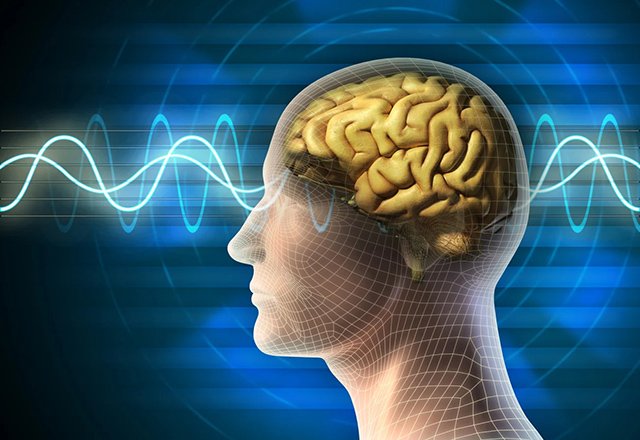
Neuromodulation refers to the use of electrical or magnetic stimulation to alter nerve activity in specific areas of the brain. It works by influencing neural circuits, helping to restore balance in brain function.
Unlike medications that affect the entire body, neuromodulation is targeted, precise, and minimally invasive, making it a safer and more focused treatment option.
Understanding rTMS (Repetitive Transcranial Magnetic Stimulation)
rTMS is a non-invasive procedure that uses magnetic fields to stimulate nerve cells in the brain.
How does rTMS work?
A magnetic coil is placed near the scalp, which delivers repetitive magnetic pulses to specific areas of the brain—particularly those involved in mood regulation and cognitive function.
Benefits of rTMS:
- Drug-free treatment option
- No anesthesia required
- Minimal side effects
- Effective for treatment-resistant conditions
Understanding tDCS (Transcranial Direct Current Stimulation)
tDCS is another non-invasive brain stimulation technique that uses low-intensity electrical currents.
How does tDCS work?
Small electrodes are placed on the scalp to deliver a gentle current that modulates brain activity—either increasing or decreasing neuronal excitability.
Benefits of tDCS:
- Safe and painless
- Portable and easy to administer
- Can be combined with rehabilitation therapies
- Improves cognitive and emotional functioning
Indications: When are rTMS & tDCS Recommended?
Neuromodulation therapies are used for a wide range of conditions, including:
🧠 Neurological & Psychiatric Conditions
- Major depressive disorder (especially treatment-resistant depression)
- Anxiety disorders
- Obsessive-compulsive disorder (OCD)
- Post-traumatic stress disorder (PTSD)
🧠 Cognitive & Behavioral Disorders
- Attention-deficit/hyperactivity disorder (ADHD)
- Autism spectrum disorders (supportive therapy)
- Memory and cognitive decline
🧠 Pain & Movement Disorders
- Chronic pain syndromes
- Migraine
- Parkinson’s disease (adjunct therapy)
- Stroke rehabilitation
These therapies are particularly beneficial for patients who:
- Do not respond well to medications
- Experience significant side effects from drugs
- Prefer non-invasive treatment options
Why Choose Expert Care?
The success of neuromodulation therapies depends greatly on accurate diagnosis, correct targeting, and expert supervision.
👨⚕️ Dr. Kunal Bahrani is recognized as one of the best rTMS & tDCS specialists in Faridabad, offering advanced brain stimulation treatments with a patient-centered approach.
With years of expertise in neurology and cutting-edge technology, Dr. Bahrani ensures:
- Personalized treatment plans
- Safe and effective protocols
- Comprehensive patient care
What to Expect During Treatment?
rTMS Session:
- Patient sits comfortably in a chair
- Magnetic coil is placed on the scalp
- Sessions last around 20–40 minutes
- Typically done over multiple sessions (weeks)
tDCS Session:
- Electrodes are placed on the head
- Mild tingling sensation may be felt
- Sessions last 15–30 minutes
- Often used in combination with therapy
Both treatments are outpatient procedures, allowing patients to resume daily activities immediately.
Are These Treatments Safe?
Yes, both rTMS and tDCS are considered safe when performed under medical supervision.
Common side effects (if any):
- Mild headache
- Scalp discomfort
- Tingling sensation (in tDCS)
Serious side effects are rare, making these therapies a reliable option for many patients.
Future of Brain Stimulation
Neuromodulation is rapidly evolving, with ongoing research expanding its applications. From enhancing cognitive performance to treating complex psychiatric conditions, these therapies are shaping the future of brain health.
Frequently Asked Questions (FAQs)
- Is rTMS painful?
No, rTMS is generally painless. Some patients may feel mild tapping or discomfort on the scalp during the session.
- How many sessions are required?
The number of sessions varies depending on the condition but typically ranges from 10 to 30 sessions over a few weeks.
- Is tDCS safe for long-term use?
Yes, tDCS is considered safe when used under medical guidance and within recommended protocols.
- Can these therapies replace medication?
In some cases, they can reduce the need for medication, but this depends on the patient’s condition and should be decided by a doctor.
- Who is the right candidate for neuromodulation?
Patients with treatment-resistant conditions, those who cannot tolerate medications, or those seeking non-invasive options are ideal candidates.
- Are there any risks involved?
Risks are minimal when performed by trained professionals. Always consult a qualified specialist.
Conclusion
Neuromodulation therapies like rTMS and tDCS are revolutionizing the treatment of neurological and psychiatric disorders. With their non-invasive nature, minimal side effects, and proven effectiveness, they offer a new ray of hope for patients.
If you or your loved one is struggling with conditions that are not improving with conventional treatments, consulting an expert like Dr. Kunal Bahrani can help you explore these advanced treatment options.
💡 Because when it comes to brain health, the right stimulation can make all the difference.