Neuroplasticity & Brain Recovery: Understanding the Brain’s Power to Heal
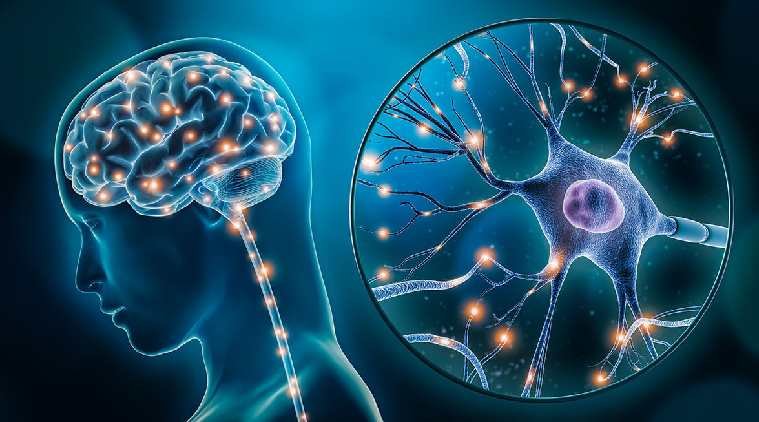
The human brain is one of the most complex and fascinating organs in the body. For many years, it was believed that once brain cells were damaged, recovery was nearly impossible. However, modern neuroscience has proven otherwise through the concept of neuroplasticity—the brain’s remarkable ability to reorganize, adapt, and heal itself.
This breakthrough understanding has revolutionized the way doctors approach brain recovery, especially in conditions like stroke, trauma, and altered states of consciousness such as coma and vegetative states.
What is Neuroplasticity?
Neuroplasticity refers to the brain’s ability to form new neural connections and reorganize existing ones in response to injury, learning, or environmental changes.
In simple terms, when one part of the brain is damaged, other parts can adapt and take over its functions—provided the right stimulation and rehabilitation are given.
How Does Neuroplasticity Help in Brain Recovery?
When the brain experiences injury—due to stroke, trauma, infection, or lack of oxygen—it disrupts normal functioning. Neuroplasticity enables recovery by:
- Strengthening existing neural pathways
- Creating new connections between neurons
- Reassigning functions to healthier brain areas
- Improving cognitive and motor abilities over time
This is why early intervention, rehabilitation, and consistent therapy play a crucial role in recovery outcomes.
Brain Recovery in Different Conditions
🧠 1. Coma
A coma is a state of deep unconsciousness where a person is unresponsive and unaware of their surroundings.
- The brain is still active but functioning at a reduced level
- Recovery is possible depending on the cause and severity
- Neuroplasticity plays a key role in gradually restoring consciousness
With proper medical care and stimulation therapies, some patients can regain awareness over time.
🧠 2. Vegetative State
A vegetative state occurs when a person has wakefulness without awareness.
- The patient may open their eyes and have sleep-wake cycles
- However, there is no meaningful response or conscious interaction
- Neuroplasticity-based therapies aim to stimulate brain activity and improve responsiveness
In some cases, patients may transition to a minimally conscious state with gradual improvement.
- Brain Death
Brain death is a complete and irreversible loss of all brain functions.
- There is no brain activity
- No possibility of recovery
- The body may be sustained artificially, but the brain has permanently stopped functioning
It is important to understand that neuroplasticity does not apply in brain death, as there is no functional brain activity left to recover.
Therapies That Support Neuroplasticity
Modern treatment focuses on enhancing neuroplasticity through targeted therapies, including:
✔️ Cognitive Rehabilitation
Helps improve memory, attention, and problem-solving skills
✔️ Physical Therapy
Restores movement and coordination
✔️ Speech & Language Therapy
Supports communication and swallowing functions
✔️ Neuromodulation Techniques
Such as brain stimulation therapies that enhance neural activity
✔️ Sensory Stimulation Programs
Used in coma and vegetative state patients to activate brain responses
Importance of Early Intervention
Time plays a critical role in brain recovery.
- Early diagnosis leads to better outcomes
- Timely rehabilitation enhances neuroplastic changes
- Delayed treatment may reduce recovery potential
Consistent therapy and family support are equally important in maximizing recovery.
Role of a Specialist in Brain Recovery
Effective neuroplasticity-based treatment requires expert evaluation, personalized planning, and advanced therapeutic techniques.
👨⚕️ Dr. Kunal Bahrani is recognized as one of the best Neuroplasticity Specialist Doctors in Faridabad, offering advanced care for patients with brain injuries, coma recovery, and neurological disorders.
With a patient-focused approach, Dr. Bahrani emphasizes:
- Individualized rehabilitation programs
- Use of advanced brain stimulation techniques
- Continuous monitoring and progress tracking
- Holistic recovery strategies
Can the Brain Fully Recover?
The extent of recovery depends on several factors:
- Severity of brain injury
- Age and overall health of the patient
- Time taken to start treatment
- Consistency of rehabilitation
While complete recovery may not always be possible, significant improvement in function and quality of life can often be achieved through neuroplasticity.
Hope Through Science
Neuroplasticity has changed the narrative from “damage is permanent” to “recovery is possible.” Even in severe conditions, the brain has an inherent ability to adapt—if given the right environment and stimulation.
Families and caregivers play a crucial role by:
- Encouraging therapy adherence
- Providing emotional support
- Maintaining a positive environment
Frequently Asked Questions (FAQs)
- What is neuroplasticity in simple terms?
It is the brain’s ability to heal, adapt, and form new connections after injury or learning.
- Can coma patients recover completely?
Some coma patients can recover partially or fully, depending on the cause and severity of brain injury.
- Is a vegetative state permanent?
Not always. Some patients may show improvement over time with proper treatment and stimulation therapies.
- Can brain-dead patients recover?
No, brain death is irreversible and there is no possibility of recovery.
- How long does brain recovery take?
Recovery varies from weeks to months or even years, depending on individual factors.
- What treatments help improve neuroplasticity?
Rehabilitation therapies, brain stimulation techniques, and consistent medical care enhance neuroplasticity.
Conclusion
Neuroplasticity offers a powerful message of hope in the field of neurology. While conditions like coma and vegetative states present significant challenges, the brain’s ability to adapt provides new possibilities for recovery.
However, it is equally important to differentiate conditions like brain death, where recovery is not possible.
If you are seeking expert care for brain recovery, consulting a specialist like Dr. Kunal Bahrani can help you explore advanced, science-backed treatment options.
💡 Because with the right care, even the injured brain can find new ways to heal.