TMS Safety: Myths vs. Facts – Expert Insights from Dr. Kunal Bahrani
Transcranial Magnetic Stimulation (TMS) is one of the most advanced non-invasive brain stimulation therapies used today. It has gained global recognition for treating conditions such as treatment-resistant depression, and research is expanding its use in neurological disorders including migraine, stroke recovery, and chronic pain.
Despite its growing popularity and strong scientific backing, many people still have concerns about the safety of TMS therapy. Much of this hesitation comes from misconceptions about brain stimulation treatments. Some patients worry about seizures, anesthesia, or even personality changes.
In reality, TMS therapy has been extensively studied and is considered one of the safest neuromodulation treatments available today. It is approved by regulatory authorities and is widely used in hospitals and specialized neurological centers around the world.
Patients seeking expert care for TMS therapy often consult Dr Kunal Bahrani, the Best Neurologist for Transcranial Magnetic Stimulation (TMS) in Faridabad, who provides comprehensive neurological evaluation and advanced neuromodulation treatments for patients with depression and other neurological conditions.
This article will clarify common myths about TMS therapy and present the scientific facts, helping patients make informed decisions about this innovative treatment.
Understanding TMS Therapy
Before addressing the myths, it is important to understand how TMS works.
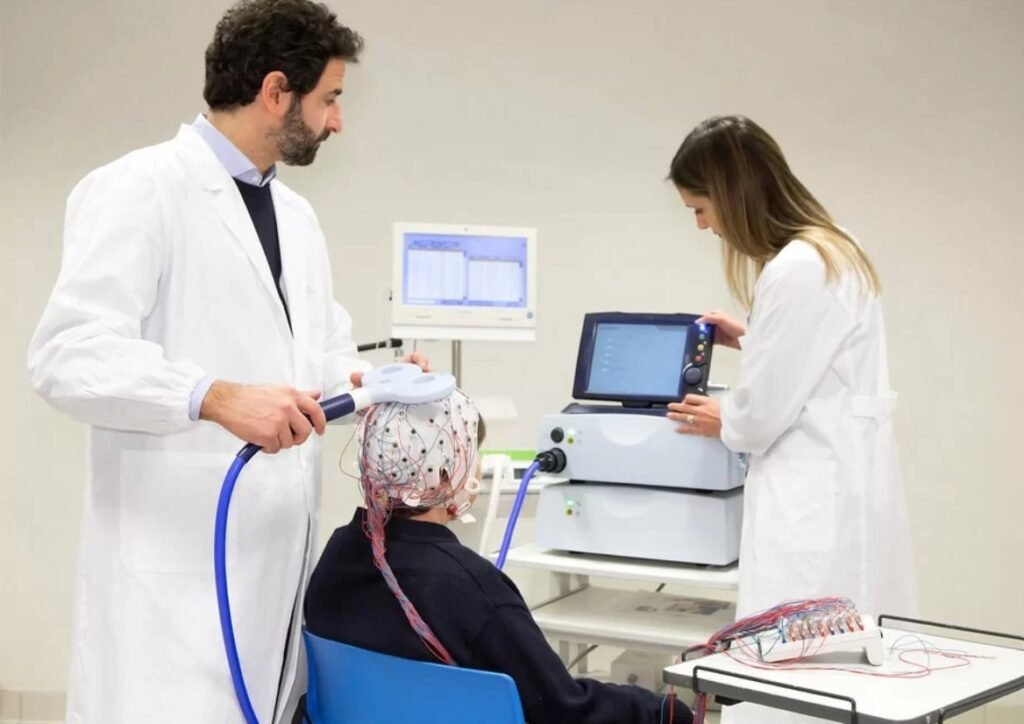
Transcranial Magnetic Stimulation uses electromagnetic pulses to stimulate specific regions of the brain involved in mood regulation and neural communication.
During the procedure:
- A magnetic coil is placed on the patient’s scalp
- The coil generates magnetic pulses
- These pulses create small electrical currents in targeted brain areas
- The stimulation helps regulate neural activity and improve brain function
Unlike invasive brain procedures, TMS:
- Does not require surgery
- Does not involve anesthesia
- Does not require hospitalization
- Allows patients to remain awake and comfortable during treatment
Because it is non-invasive and precisely targeted, TMS has become a preferred option for many patients who have not responded to traditional therapies.
Myth vs. Fact: Understanding the Safety of TMS
Myth 1: “TMS Causes Seizures”
One of the most common concerns about TMS therapy is the risk of seizures.
Fact: Seizures are extremely rare.
When performed under proper medical supervision and using FDA-approved protocols, the risk of seizures during TMS therapy is extremely low.
Research shows that the risk of seizure is less than 0.1%, and it usually occurs only in individuals who already have significant risk factors such as:
- History of epilepsy
- Certain neurological disorders
- High-risk medications
Before starting treatment, doctors perform a thorough medical evaluation to identify any potential risks.
Specialists such as Dr Kunal Bahrani, the Best Neurologist for Transcranial Magnetic Stimulation (TMS) in Faridabad, carefully assess each patient’s medical history to ensure that TMS therapy is both safe and appropriate.
Myth 2: “TMS Requires Anesthesia”
Some patients assume that TMS is similar to electroconvulsive therapy (ECT) and therefore requires anesthesia.
Fact: TMS does not require sedation or anesthesia.
Unlike ECT, TMS is performed while the patient is fully awake and alert.
During the procedure:
- The patient sits comfortably in a chair
- A magnetic coil is placed on the scalp
- Magnetic pulses are delivered to the brain
The entire session typically lasts 20–40 minutes, and patients can immediately return to their normal daily activities afterward.
There is no recovery time needed, which makes TMS a convenient outpatient treatment option.
Myth 3: “TMS Changes Your Personality”
Another misconception is that brain stimulation therapies might alter a person’s personality or identity.
Fact: TMS does not change personality.
TMS therapy works by modulating specific neural circuits involved in mood regulation, not by altering personality traits.
The goal of treatment is to restore normal brain activity in areas that may be underactive in conditions such as depression.
Patients who benefit from TMS often report improvements such as:
- Better mood
- Increased motivation
- Reduced anxiety
- Improved focus
These changes reflect recovery from symptoms, not personality changes.
Myth 4: “TMS Is Painful”
Some people worry that magnetic pulses delivered to the brain may cause pain.
Fact: TMS is generally well tolerated.
Most patients experience only mild sensations during treatment, such as:
- Light tapping on the scalp
- Mild tingling
- Clicking sounds from the machine
Some individuals may experience a mild headache or scalp discomfort, especially during the first few sessions. However, these symptoms are usually temporary and improve as the body adapts to treatment.
Approved Safety Standards for TMS Therapy
The safety of TMS therapy is supported by strict medical standards and regulatory approval.
FDA-Cleared Devices
TMS machines used in clinical settings are approved by the U.S. Food and Drug Administration (FDA) and other global regulatory agencies.
These devices undergo rigorous testing to ensure safety and effectiveness before they can be used in patients.
Standardized Treatment Protocols
Doctors follow internationally recognized treatment guidelines when performing TMS therapy.
These protocols determine:
- The strength of magnetic pulses
- The duration of treatment sessions
- The number of sessions required
Adhering to these guidelines helps ensure that treatment remains safe and effective.
Continuous Monitoring
During TMS therapy:
- Patients are continuously monitored
- Treatment parameters are carefully controlled
- Any discomfort or side effects are addressed immediately
This level of supervision further enhances the safety of the procedure.
Who Should Avoid TMS Therapy?
Although TMS therapy is safe for most people, certain individuals may not be suitable candidates.
People with the following conditions may require special evaluation:
- Metal implants near the head
- Cochlear implants
- Deep brain stimulators
- History of seizures
- Certain neurological conditions
A neurologist performs a comprehensive evaluation before recommending TMS therapy.
Patients seeking advanced TMS therapy often consult Dr Kunal Bahrani, the Best Neurologist for Transcranial Magnetic Stimulation (TMS) in Faridabad, who carefully assesses patient eligibility and designs personalized treatment plans.
Benefits of TMS Compared to Other Brain Stimulation Therapies
TMS therapy offers several safety advantages compared to older treatments.
Non-Invasive
TMS does not involve surgery or implants.
No Systemic Side Effects
Unlike medications, TMS does not affect the entire body and therefore avoids many systemic side effects.
No Memory Loss
Unlike some other brain stimulation treatments, TMS does not cause memory impairment.
Outpatient Treatment
Patients can return to work and daily life immediately after each session.
The Growing Role of TMS in Neurology and Psychiatry
Because of its excellent safety profile, TMS therapy is being increasingly used for multiple conditions.
Current and emerging applications include:
- Treatment-resistant depression
- Obsessive compulsive disorder (OCD)
- Migraine prevention
- Stroke rehabilitation
- Chronic pain syndromes
Ongoing research continues to expand the potential of TMS therapy in neurological care.
Conclusion
Transcranial Magnetic Stimulation has emerged as one of the safest and most effective neuromodulation therapies available today. While misconceptions about brain stimulation still exist, scientific evidence clearly demonstrates that TMS therapy is well tolerated, non-invasive, and highly controlled.
By separating myths from facts, patients can better understand the safety and potential benefits of this advanced treatment.
For individuals considering TMS therapy, consulting an experienced specialist is essential. Experts such as Dr Kunal Bahrani, the Best Neurologist for Transcranial Magnetic Stimulation (TMS) in Faridabad, provide accurate diagnosis, personalized treatment protocols, and expert monitoring to ensure safe and effective outcomes.
With proper medical guidance, TMS therapy can offer new hope for patients seeking advanced treatment options for neurological and psychiatric conditions.
Frequently Asked Questions (FAQs)
- Is TMS therapy safe?
Yes, TMS therapy is considered very safe when performed using FDA-approved devices and proper medical protocols.
- Can TMS therapy cause seizures?
The risk of seizure is extremely low and usually occurs only in individuals with significant pre-existing risk factors.
- Does TMS require anesthesia?
No. TMS therapy does not require sedation or anesthesia, and patients remain awake during treatment.
- Does TMS change personality?
No. TMS works by improving abnormal brain activity related to mood disorders and does not alter personality.
- Are there any side effects of TMS therapy?
Most side effects are mild and temporary, including scalp discomfort or mild headache.
- How long does a TMS session last?
A typical TMS session lasts about 20–40 minutes.
- Can I resume normal activities after TMS?
Yes. Patients can return to work, drive, and continue daily activities immediately after treatment.