
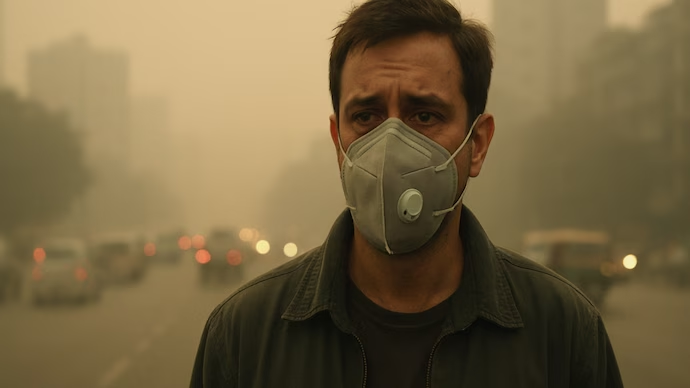
Delhi NCR Air Pollution: Rising Cases of Headache, Stroke & Brain Disorders Explained
Delhi NCR experiences hazardous air pollution every winter, with Air Quality Index (AQI) frequently crossing severe levels (300–500+). While most people know that poor air quality irritates the eyes, throat, and lungs, fewer realize that air pollution deeply affects the brain and nervous system, increasing the risk of:
- Headaches and migraines
- Stroke and mini-strokes (TIAs)
- Memory decline and cognitive dysfunction
- Worsening of neurological disorders
Scientific evidence now proves that air pollution is not just a respiratory problem — it is a neurological emergency.
In this blog, we break down how Delhi NCR’s toxic air impacts brain health and why timely consultation with a neurologist like Dr. (Prof.) Kunal Bahrani, a leading Stroke Treatment Doctor in Faridabad, is critical.
How Air Pollution Damages Your Brain
Air pollution contains dangerous toxins including:
- PM2.5 (fine particulate matter)
- PM10
- Nitrogen dioxide (NO₂)
- Sulphur dioxide (SO₂)
- Carbon monoxide
- Heavy metals like lead & arsenic
- Volatile organic compounds (VOCs)
These pollutants are so microscopic that they enter the bloodstream through the lungs and reach the brain within minutes.
✔ 1. Inflammation of Brain Blood Vessels
Pollutants irritate and inflame blood vessel walls, making them narrow and rigid.
This increases the risk of:
- Stroke
- TIA (mini-stroke)
- Brain ischemia
- Reduced oxygen supply
- Memory impairment
✔ 2. Increased Blood Clot Formation
PM2.5 particles make the blood thicker, raising the chances of blood clots, one of the deadliest triggers of brain stroke.
✔ 3. Direct Entry into the Brain via the Nose
Ultrafine particles can travel through the olfactory nerve directly into the brain, leading to:
- Neuro-inflammation
- Brain cell damage
- Chronic headaches
- Increased migraine frequency
✔ 4. Oxygen Reduction in the Brain
Polluted air reduces the oxygen-carrying capacity of the blood, causing:
- Fatigue
- Dizziness
- Poor concentration
- Memory loss
- Worsened neurological symptoms
Air Pollution & Headaches: Why They Are Rising in Delhi NCR
People across NCR are reporting persistent headaches during peak pollution months.
Pollution-induced headaches happen due to:
- Inflammation of brain vessels
- Reduced oxygen flow
- Irritation of sinus passages
- Triggering of migraine pathways
- Dehydration and exhaustion
Who is most affected?
- Migraine patients
- Children & elderly
- Asthmatics
- Heart disease patients
- Outdoor workers
- People with sinusitis
If headaches last for more than 3 days, worsen with exertion, or are accompanied by speech difficulty or weakness, seek a neurologist immediately.
Air Pollution & Stroke: The Hidden Danger
Several studies — including those published in Lancet, JAMA Neurology, and WHO data — reveal that air pollution significantly increases:
- Stroke risk by 30–50%
- Mortality in stroke patients
- Risk of recurrent stroke
- Burden of disability
Delhi NCR sees a sharp spike in stroke cases every winter.
Why is stroke linked to pollution?
Because pollution:
- Thickens the blood
- Causes blood pressure to rise
- Damages inner vessel lining
- Accelerates plaque formation
- Reduces oxygen supply
- Triggers clot formation
Even a short-term exposure (24–48 hours) to toxic air can precipitate a stroke, especially in those with:
- High BP
- Diabetes
- High cholesterol
- Smoking habit
- Sedentary lifestyle
- Heart conditions
Warning Signs of Stroke: Remember BE FAST
Stroke symptoms appear suddenly.
Use the BE FAST formula:
- B – Balance: Sudden loss of balance
- E – Eyes: Blurred or double vision
- F – Face: Facial drooping
- A – Arm: Weakness in one arm/leg
- S – Speech: Slurred or unclear speech
- T – Time: Rush to hospital immediately
Every minute of delay kills 1.9 million brain cells.
Immediate treatment can save life and prevent disability.
Why Consult Dr. (Prof.) Kunal Bahrani – Best Stroke Treatment Doctor in Faridabad?
Dr. Bahrani is a globally trained neurologist and one of the few experts in India specializing in:
- Stroke management
- Migraine & headache disorders
- Emergency neuro care
- Interventional headache techniques
- TIA & clot-related disorders
- Neurocritical care
Patients trust him for:
👉 Rapid diagnosis & treatment
👉 Expertise in managing pollution-triggered neurological problems
👉 Personalized headache & migraine care
👉 Stroke rehabilitation & prevention
👉 Evidence-based international protocols
His clinical excellence and patient-centered approach make him a leading neurologist in Delhi NCR and Faridabad.
How to Protect Your Brain from Air Pollution (Neurologist-Approved Tips)
💠 Wear N95 or N99 masks outdoors
They filter 95–99% of harmful particles.
💠 Stay indoors during peak AQI hours
Especially early morning and late evening.
💠 Use air purifiers at home
Maintain PM2.5 below 20 inside the room.
💠 Stay hydrated
Reduces headaches and improves oxygen flow.
💠 Include brain-healthy foods
- Walnuts
- Avocado
- Berries
- Green leafy vegetables
- Omega-3 foods
💠 Regular health checkups
- BP
- Blood sugar
- Cholesterol
- Oxygen levels
💠Avoid smoking
It multiplies the harmful effects of pollution.
When Should You See Dr. Kunal Bahrani?
Book an appointment if you experience:
- Persistent headaches
- Frequent dizziness or blackout episodes
- Vision changes
- Numbness, tingling, or weakness
- Sudden confusion
- Slurred speech
- Symptoms of TIA or stroke
- Migraine worsening during pollution
- Recurrent headaches not responding to medicines
Early intervention can prevent life-threatening complications.
FAQs
- Can air pollution cause migraines?
Yes. Polluted air triggers inflammation in brain blood vessels, leading to migraines, especially in people with preexisting headache disorders.
- Are stroke cases really increasing due to pollution?
Absolutely. Studies show a 30–50% rise in stroke risk during high pollution days, especially in Delhi NCR.
- Should heart patients be extra cautious in winter pollution?
Yes. They have a higher chance of developing a clot-related stroke.
- Is indoor pollution dangerous too?
Yes—cooking smoke, incense, candles, and poor ventilation also harm the brain.
- Does wearing a mask reduce stroke or headache risk?
N95 masks significantly reduce harmful inhalation of PM2.5 particles, lowering risk.
- When should I see a neurologist?
If headaches become frequent, severe, or are accompanied by neurological symptoms like speech difficulty, weakness, or imbalance.
Conclusion
Delhi NCR’s air pollution crisis is not just a respiratory issue — it is a rapidly growing neurological threat. Rising pollution levels are directly linked to a surge in headaches, migraines, stroke, and other brain disorders.
Understanding early symptoms and seeking timely treatment can save lives.
For expert evaluation, personalized care, and the best stroke management in Faridabad, consult:
Dr. (Prof.) Kunal Bahrani – Leading Neurologist & Best Stroke Treatment Doctor in Faridabad
Your brain health deserves nothing less than expert care.