
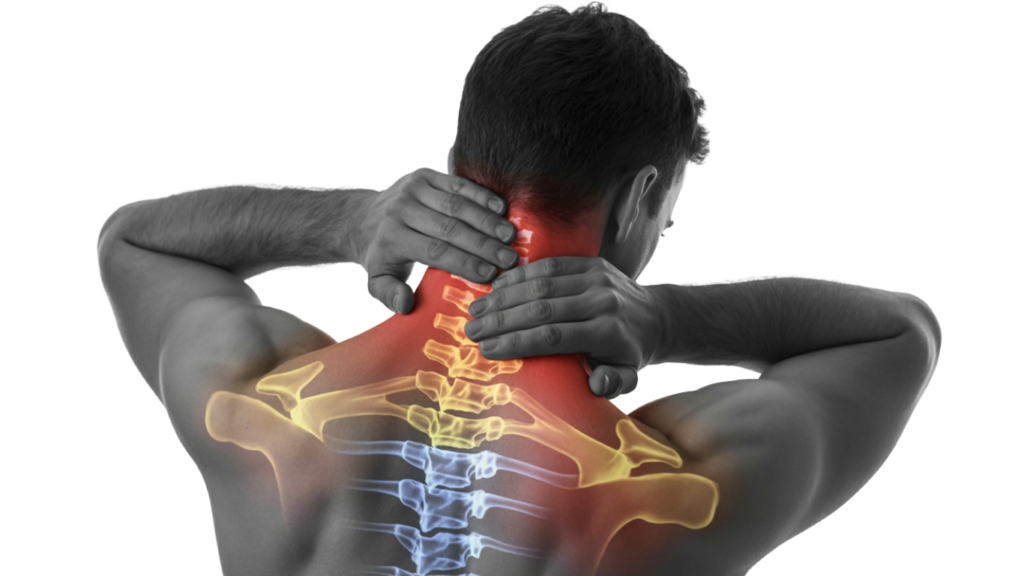
Cervical Pain (Neck Pain): Causes, Symptoms, Diagnosis & Advanced Treatment
Cervical pain, commonly known as neck pain, is one of the fastest-growing neurological complaints today. With increasing screen time, mobile phone usage, desk jobs, and poor posture, cervical spine disorders are affecting people at much younger ages than before. While occasional neck discomfort may seem harmless, persistent cervical pain can indicate underlying nerve compression, disc problems, or degenerative spine conditions. Early evaluation by a neurologist can help prevent chronic pain, nerve damage, and long-term disability. Dr. (Prof.) Kunal Bahrani, a renowned Cervical Pain Specialist in Faridabad, provides advanced, accurate diagnosis and personalised treatment plans focused on long-term pain relief and spinal health.
Understanding Cervical Pain
The cervical spine consists of seven vertebrae (C1–C7) that support the head and allow movement. Between these vertebrae are discs, nerves, joints, and muscles that work together to maintain flexibility and stability.
Cervical pain occurs when any of these structures are affected due to:
- Degeneration
- Injury
- Poor posture
- Nerve compression
Neck pain may remain local or radiate to the shoulders, arms, or head, depending on the cause.
Common Causes of Cervical Pain
- Cervical Spondylosis
Cervical spondylosis is an age-related degenerative condition involving wear and tear of the cervical spine. It is one of the most common causes of chronic neck pain in adults.
It may lead to:
- Neck stiffness
- Reduced range of motion
- Nerve compression
- Poor Posture (Text Neck Syndrome)
Prolonged mobile and computer use places excessive strain on the cervical spine. Forward head posture increases stress on neck muscles and discs, leading to pain and stiffness.
This is increasingly seen in:
- Office workers
- Students
- IT professionals
- Cervical Disc Bulge or Slip Disc
A cervical slip disc occurs when the disc protrudes and compresses nearby nerves, causing:
- Neck pain
- Radiating arm pain
- Numbness or tingling in hands
- Muscle Spasm & Soft Tissue Injury
Muscle spasm can result from:
- Sudden movement
- Stress
- Improper sleeping posture
- Cold exposure
- Cervical Radiculopathy (Nerve Compression)
When cervical nerves are compressed, pain may travel from the neck to the arms, often accompanied by weakness or sensory changes.
- Trauma or Injury
Whiplash injuries from accidents or falls can cause long-term cervical pain if not treated appropriately.
Symptoms of Cervical Pain
Seek medical attention if you experience:
- Persistent neck pain or stiffness
- Pain radiating to shoulders or arms
- Tingling, numbness, or weakness in hands
- Difficulty turning the head
- Headaches associated with neck pain
- Dizziness or imbalance
- Pain worsening at night or rest
These symptoms may indicate nerve involvement or spinal degeneration.
Cervical Pain and Neurological Involvement
Cervical pain becomes a neurological issue when:
- Spinal nerves are compressed
- Disc herniation affects nerve roots
- Cervical spinal cord is involved
Neurological symptoms require specialist evaluation to prevent permanent nerve damage.
Diagnosis of Cervical Pain
Detailed Clinical Examination
A neurologist evaluates:
- Neck movement
- Muscle strength
- Reflexes
- Sensory changes
Diagnostic Investigations (If Required)
- MRI of cervical spine
- X-ray (to assess alignment and degeneration)
- Nerve conduction studies (if nerve damage suspected)
These tests help determine the exact cause and severity.
Treatment Options for Cervical Pain
- Conservative Management
Most patients respond well to:
- Activity modification
- Short-term rest
- Pain-relief medications
- Muscle relaxants
- Neurology-Based Medical Treatment
For nerve-related cervical pain:
- Neuropathic pain medications
- Anti-inflammatory drugs
- Targeted therapy based on diagnosis
- Physiotherapy & Rehabilitation
Physiotherapy plays a key role in:
- Strengthening neck muscles
- Improving posture
- Restoring flexibility
- Preventing recurrence
- Posture & Lifestyle Correction
- Ergonomic workstation setup
- Limiting screen time
- Proper sleeping posture
- Regular neck exercises
- Advanced Pain Management (If Needed)
For resistant cases:
- Cervical nerve blocks
- Injection-based therapies
- Multidisciplinary pain management
Surgery is considered only in severe cases with progressive neurological deficits.
Why Cervical Pain Should Not Be Ignored
Ignoring neck pain can lead to:
- Chronic pain syndrome
- Progressive nerve damage
- Weakness in arms or hands
- Reduced quality of life
Early treatment significantly improves outcomes.
Role of a Neurologist in Cervical Pain Treatment
A neurologist focuses on:
- Identifying nerve compression
- Preventing spinal cord involvement
- Long-term pain control
- Avoiding unnecessary surgical intervention
This is crucial in chronic or radiating neck pain.
About Dr. Kunal Bahrani
Dr. Kunal Bahrani is a renowned neurologist with extensive experience in managing cervical pain, cervical spondylosis, slip disc, and nerve-related spine disorders. He follows a patient-centric, evidence-based approach to ensure long-term relief and neurological safety.
Patients trust him for:
- Accurate diagnosis
- Clear communication
- Ethical treatment planning
- Focus on non-surgical management
When Should You Consult Dr. Kunal Bahrani for Cervical Pain?
Consult a neurologist if:
- Neck pain persists beyond 2 weeks
- Pain radiates to arms
- Numbness or weakness develops
- Headaches or dizziness accompany neck pain
- Previous treatments have failed
Frequently Asked Questions (FAQs)
- What is the most common cause of cervical pain?
Cervical spondylosis and poor posture are the most common causes.
- Can cervical pain cause arm numbness?
Yes, nerve compression can cause pain, tingling, or weakness in arms.
- Is cervical pain permanent?
No, most cases improve with timely treatment and lifestyle correction.
- When is MRI needed for neck pain?
MRI is advised if pain persists or neurological symptoms appear.
- Can physiotherapy cure cervical pain?
Physiotherapy is highly effective when combined with medical treatment.
- Is surgery required for cervical pain?
Surgery is rarely required and only in severe nerve or spinal cord compression.
- Can cervical pain cause headaches or vertigo?
Yes, cervical spine issues can trigger headaches and dizziness.
- Which doctor is best for cervical pain?
A neurologist is ideal when nerve involvement is suspected.
Chronic cervical pain should never be ignored, as early intervention can prevent long-term complications and nerve damage. With his expertise in advanced pain management, precise diagnosis, and patient-centric approach, Dr. (Prof.) Kunal Bahrani stands out as the most trusted Cervical Pain Specialist in Faridabad. His goal is not just temporary relief, but sustainable recovery—helping patients regain comfort, mobility, and confidence in their everyday lives.