Category: Blog

rTMS After Stroke — Rewiring the Brain When Time Has Passed

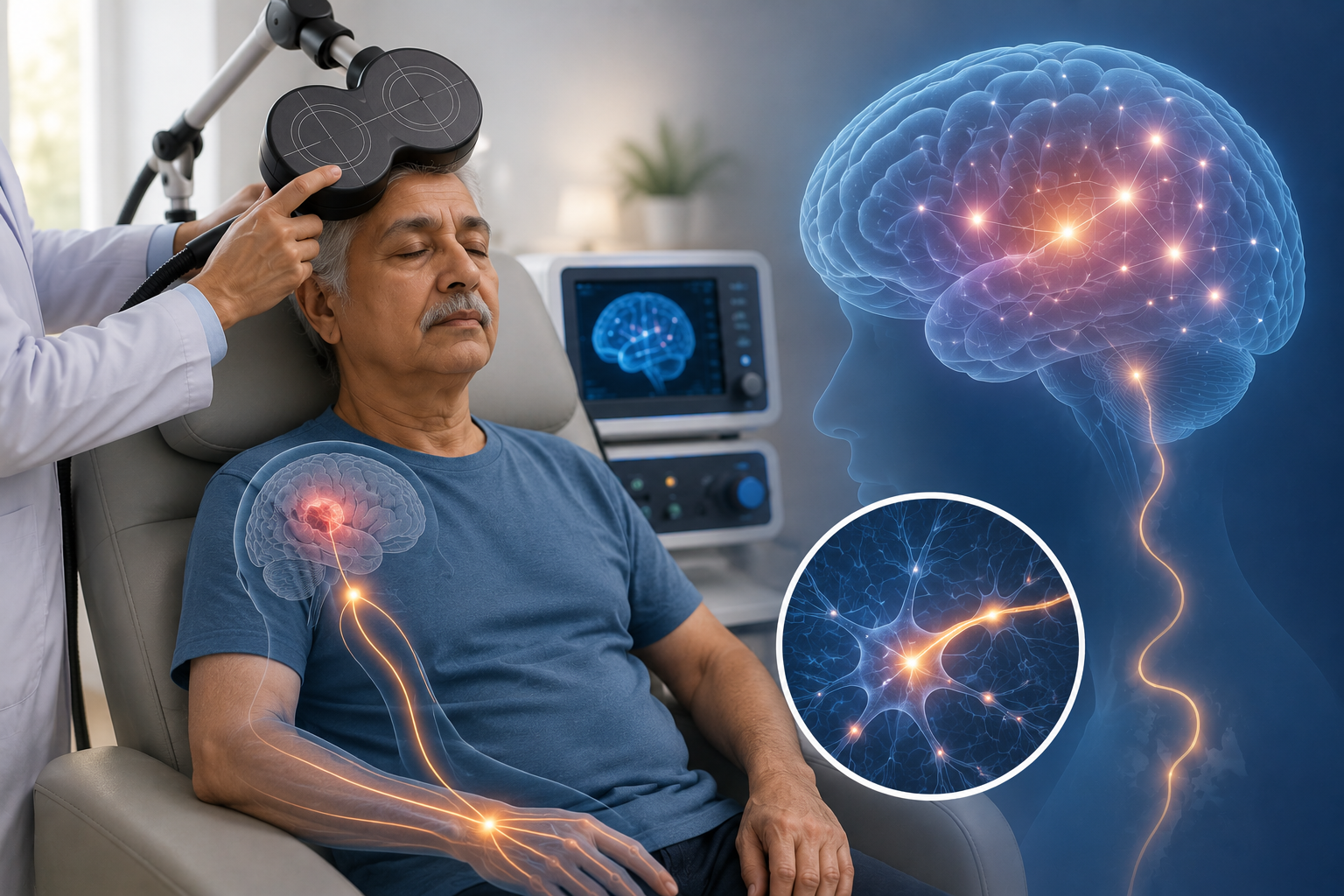
Introduction: Stroke Recovery Is Not a Fixed Destination Stroke is the second leading cause of death globally and the leading cause of long-term adult disability. Each year in India, nearly 1.8 million people suffer a stroke. For many survivors, the greatest fear is not the acute event — it is the prospect of permanent disability: […]
Read More
PTSD and rTMS — Calming the Overactive Fear Circuit Without Heavy Sedatives

PTSD and rTMS — Calming the Overactive Fear Circuit Without Heavy Sedatives

Post-Traumatic Stress Disorder (PTSD) is one of the most debilitating and misunderstood neuropsychiatric conditions. In India, PTSD affects an estimated 3–4% of the population, with significantly higher rates among military veterans, survivors of natural disasters, victims of sexual violence, and individuals with histories of childhood abuse. Despite the enormity of this burden, PTSD remains severely […]
Read More
Beyond Antidepressants — How rTMS Is Reshaping Treatment-Resistant Depression

Beyond Antidepressants — How rTMS Is Reshaping Treatment-Resistant Depression

Depression is one of the most prevalent neurological disorders worldwide, affecting more than 280 million people globally. Yet for nearly one in three patients, traditional antidepressants provide little to no relief. This condition, known as treatment-resistant depression (TRD), leaves patients struggling with failed medications, distressing side effects, and fading hope. Brain Stimulation Treatment such as […]
Read More
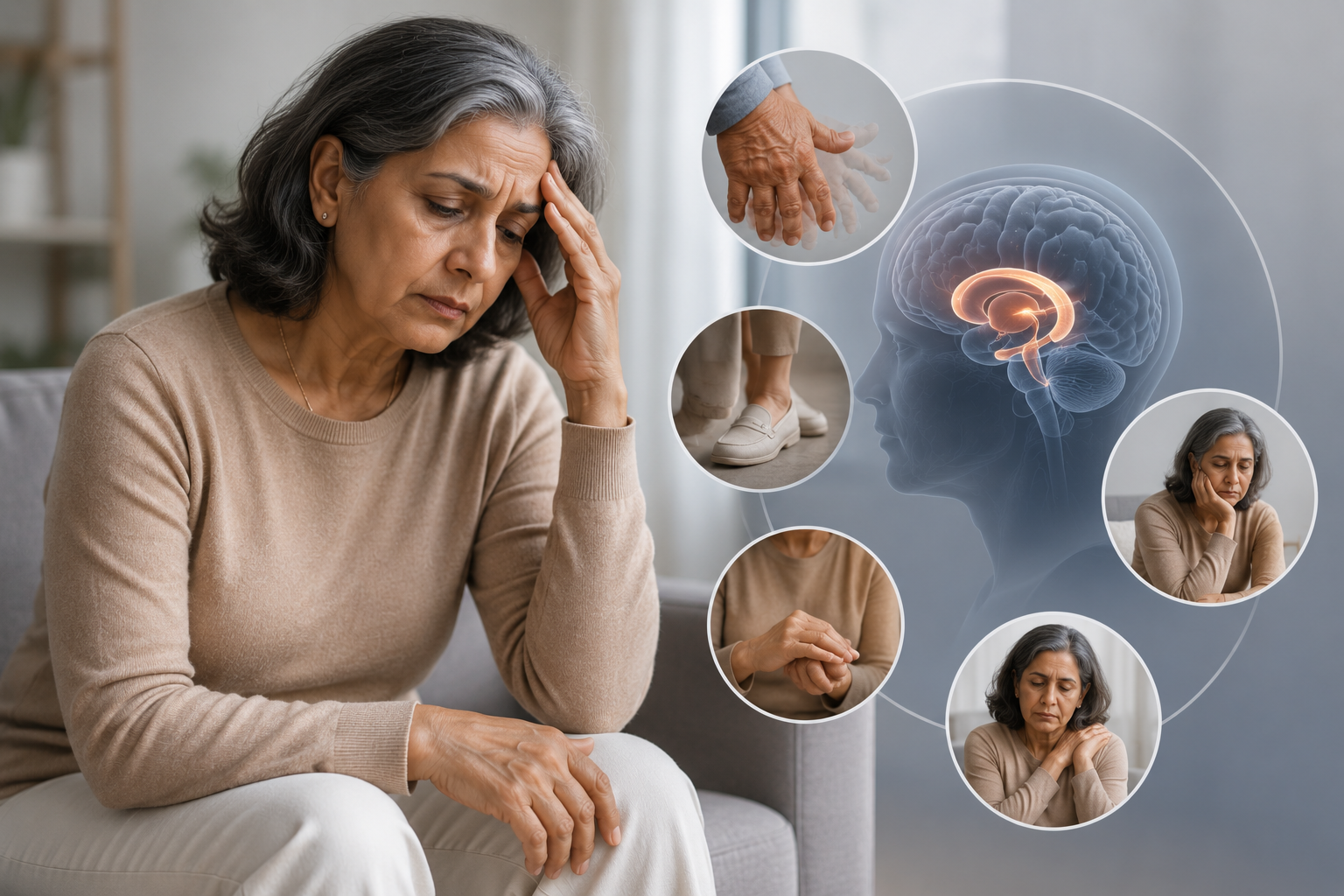
Parkinson's Disease and rTMS — Stimulating Hope Beyond Medication

Parkinson’s Disease and rTMS — Stimulating Hope Beyond Medication

Parkinson’s Disease and rTMS — Stimulating Hope Beyond Medication. Parkinson’s disease (PD) is the world’s fastest-growing neurological disorder, affecting over 10 million people globally, with India accounting for more than 580,000 cases. For decades, levodopa has remained the cornerstone of Parkinson’s management, helping restore near-normal motor function during the early stages of the disease. However, […]
Read More
Can rTMS Fix Your Sleep - The Science Behind Magnetic Brain Stimulation for Insomnia

Can rTMS Fix Your Sleep? The Science Behind Magnetic Brain Stimulation for Insomnia

Chronic insomnia affects an estimated 30% of the Indian adult population, making it one of the most prevalent and underrecognised neurological complaints encountered in clinical practice. Can rTMS Fix Your Sleep? The Science Behind Magnetic Brain Stimulation for Insomnia explores how emerging neuromodulation therapies are offering new hope for individuals struggling with persistent sleep disorders. […]
Read More
ADHD and rTMS — A Non-Drug Option for Children and Adults

ADHD and rTMS — A Non-Drug Option for Children and Adults Who Can’t Tolerate Stimulants

Attention Deficit Hyperactivity Disorder (ADHD) is one of the most common neurodevelopmental disorders, affecting an estimated 5–7% of children and 2–5% of adults worldwide. In India, growing awareness has led to increasing diagnosis rates, yet treatment remains challenging. While stimulant medications — methylphenidate and amphetamine salts — are effective for many patients, a significant proportion […]
Read More
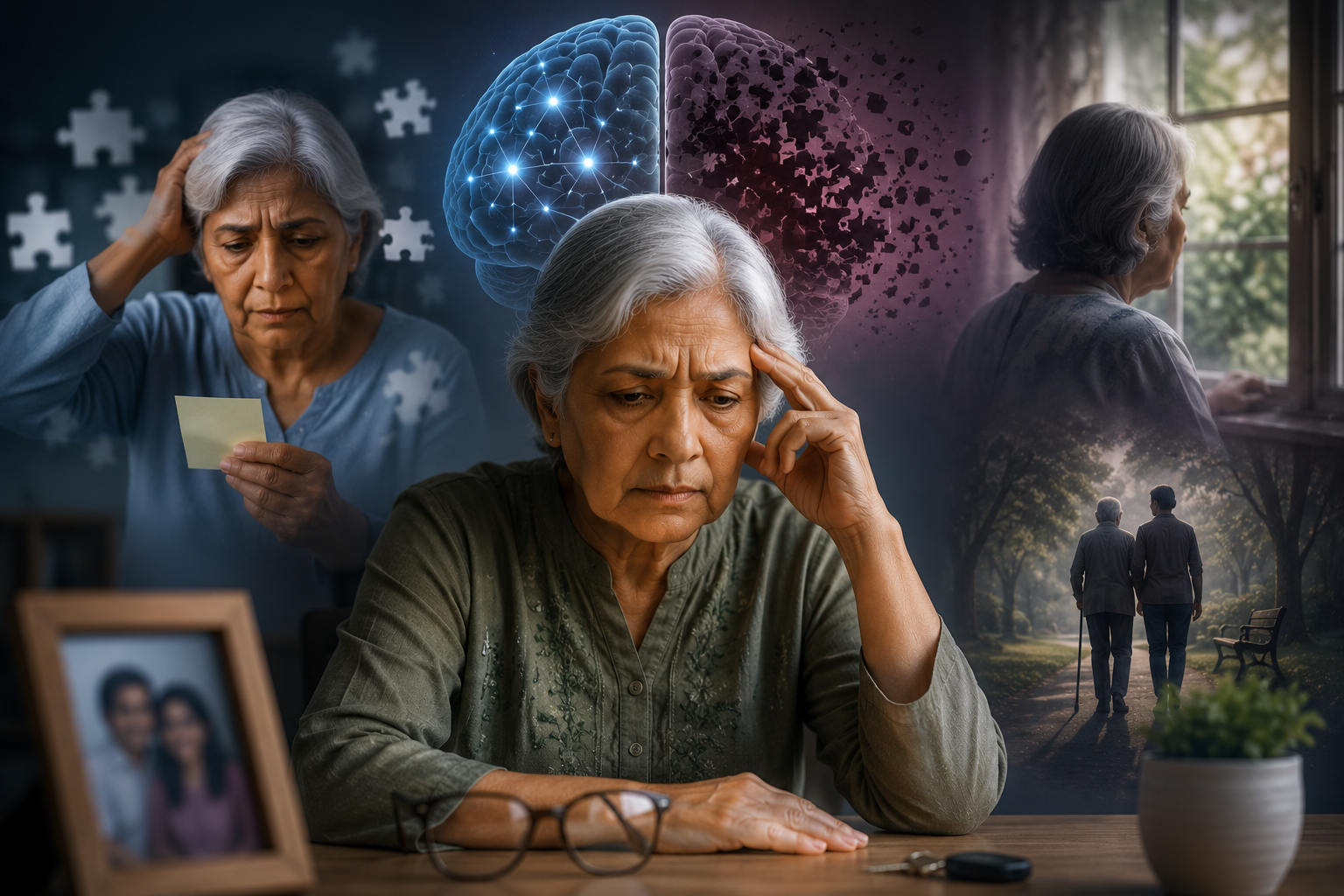
Alzheimer’s Breakthroughs - Newer Treatments and Drugs You Should Know

Alzheimer’s Breakthroughs: Newer Treatments and Drugs You Should Know

Alzheimer’s disease (AD) is a progressive neurodegenerative disorder that primarily affects memory, thinking, and behavior. It is the most common cause of dementia, impacting millions of people worldwide, and it imposes a profound burden on patients, families, and caregivers. With recent advancements in research, the landscape of Alzheimer’s treatment is evolving rapidly. Dr. Kunal Bahrani, […]
Read More
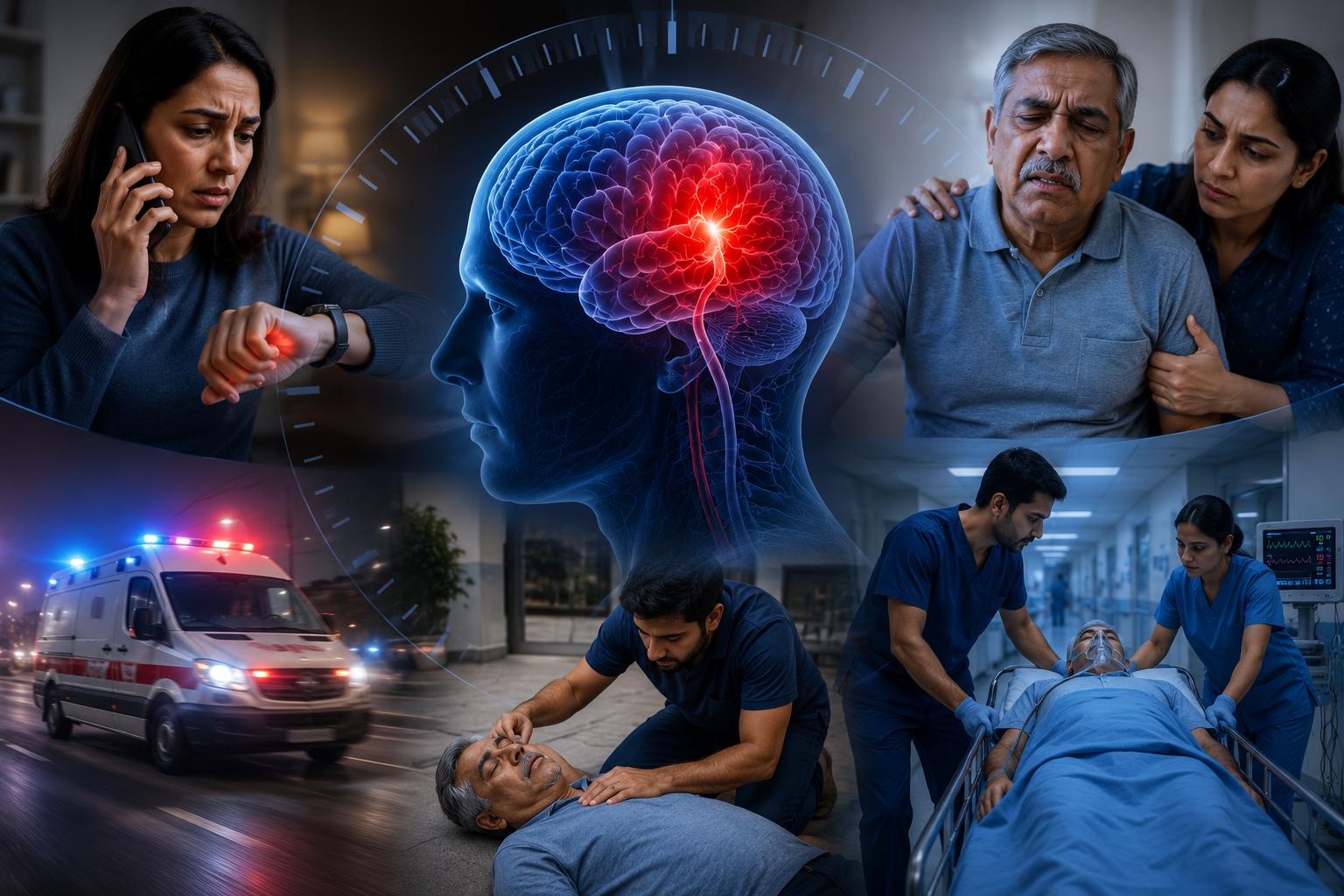
Stroke Warning Signs - Recognize Early, Act Fast, and Save Lives

Stroke Warning Signs: Recognize Early, Act Fast, and Save Lives

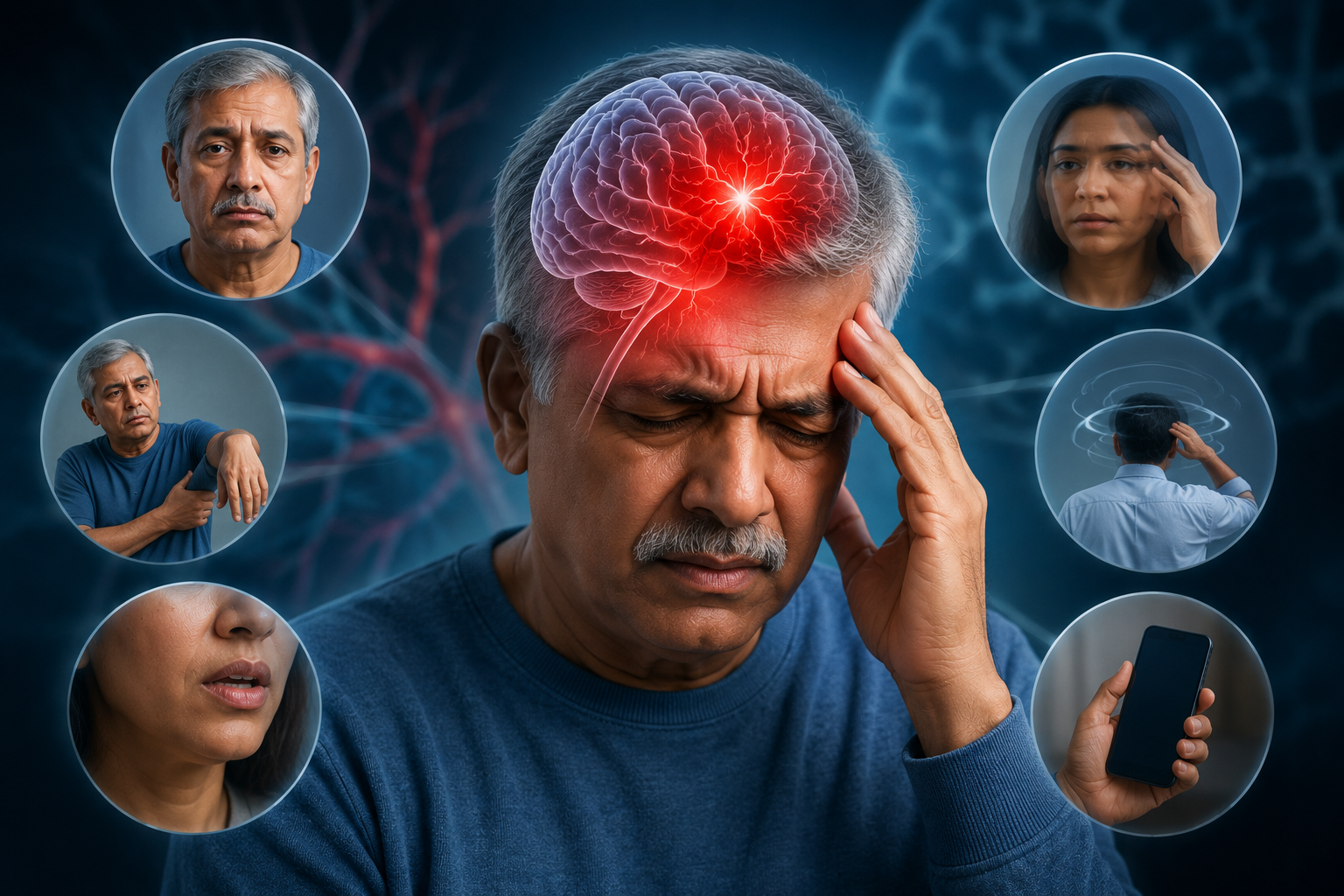
Stroke is a life-threatening medical emergency that occurs when blood flow to a part of the brain is interrupted or reduced, depriving brain tissue of oxygen and nutrients. Prompt recognition and immediate medical intervention are critical to minimizing brain damage, preserving function, and saving lives. Dr. Kunal Bahrani, regarded as one of the leading stroke […]
Read More