
TMS and Anxiety Disorders: What Does the Science Say?
Anxiety disorders are among the most common mental health conditions worldwide, affecting millions of people across all age groups. Persistent worry, panic attacks, restlessness, sleep disturbances, and difficulty concentrating can significantly affect daily functioning and quality of life. While medications and psychotherapy remain the first-line treatments, not every patient experiences adequate relief from these approaches.
In recent years, Transcranial Magnetic Stimulation (TMS) has gained increasing attention as a promising non-invasive treatment option for various psychiatric conditions. Initially approved for treatment-resistant depression, researchers are now exploring its effectiveness in anxiety disorders as well.
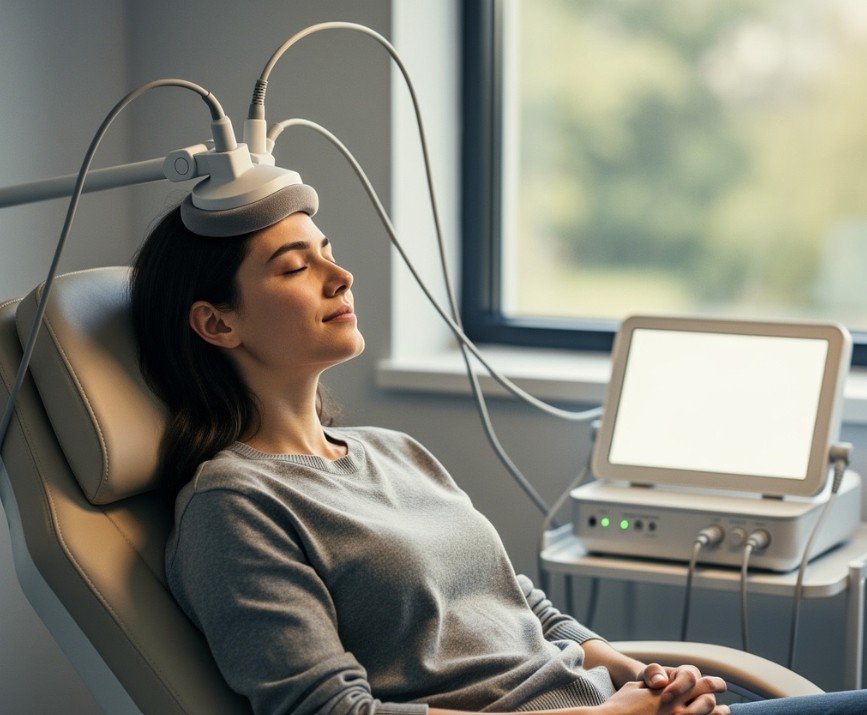
TMS uses magnetic pulses to stimulate specific areas of the brain involved in emotional regulation. By modulating the activity of these neural circuits, TMS may help reduce symptoms of anxiety, improve mood stability, and enhance overall mental well-being.
Under the expert care of specialists such as Dr. Kunal Bahrani, the Best Neurologist for Transcranial Magnetic Stimulation (TMS) in Faridabad, patients can access advanced neuromodulation therapies that are safe, effective, and personalized.
Understanding Anxiety Disorders
Anxiety disorders include a group of conditions characterized by excessive fear, worry, or nervousness that interferes with everyday life. Common types include:
- Generalized Anxiety Disorder (GAD)
- Panic Disorder
- Social Anxiety Disorder
- Phobias
- Post-Traumatic Stress Disorder (PTSD)
- Obsessive Compulsive Disorder (OCD)
Traditional treatments typically include antidepressants, anti-anxiety medications, and cognitive behavioral therapy (CBT). While many individuals benefit from these therapies, some patients experience incomplete symptom relief or intolerable medication side effects. This has led to growing interest in alternative and complementary approaches such as TMS.
How TMS Works in Anxiety Disorders
TMS works by delivering targeted magnetic pulses to specific areas of the brain, particularly regions involved in emotional regulation, stress responses, and cognitive control.
The primary brain regions targeted in anxiety treatment include:
Prefrontal Cortex
The dorsolateral prefrontal cortex (DLPFC) plays a crucial role in regulating emotions, decision-making, and stress responses. Dysfunction in this area has been associated with both anxiety and depression.
Limbic System
The limbic system, which includes structures such as the amygdala and hippocampus, is responsible for processing fear and emotional memories. Hyperactivity in these circuits contributes to excessive worry and fear responses.
Neural Modulation
TMS helps normalize abnormal brain activity by stimulating or inhibiting specific neural pathways. Over time, repeated sessions can help restore healthier patterns of brain connectivity and emotional regulation.
This targeted approach makes TMS particularly appealing because it treats the brain circuits responsible for anxiety without affecting the entire body, unlike many medications.
Clinical Evidence: What Research Shows
Although TMS was initially developed for depression, a growing body of scientific research suggests that it may also benefit patients with anxiety disorders.
Reduction in Anxiety Symptoms
Several clinical studies have demonstrated that patients undergoing TMS therapy experience significant reductions in anxiety severity scores. Improvements have been reported in symptoms such as excessive worry, panic attacks, restlessness, and sleep disturbances.
Benefits in Generalized Anxiety Disorder
Research indicates that stimulating the prefrontal cortex using TMS can help reduce hyperactivity in brain circuits responsible for persistent worry, which is a hallmark of generalized anxiety disorder.
Improvement in Comorbid Depression and Anxiety
Many patients with anxiety disorders also suffer from depression. Since TMS is already an established treatment for depression, it can simultaneously improve both mood and anxiety symptoms.
Enhanced Outcomes When Combined With Therapy
Studies suggest that combining TMS with psychotherapy, particularly cognitive behavioral therapy, may enhance treatment outcomes. TMS may help regulate brain activity, making patients more receptive to therapeutic interventions.
Although research is still evolving, the results so far are highly encouraging.
Who Can Benefit From TMS for Anxiety?
TMS may be particularly helpful for individuals who:
- Do not respond adequately to anti-anxiety medications
- Experience side effects from psychiatric medications
- Prefer non-drug treatment options
- Have anxiety accompanied by depression
- Seek advanced, evidence-based therapies
A detailed medical evaluation by a qualified specialist is necessary to determine whether TMS is appropriate for a particular patient.
Experts like Dr. Kunal Bahrani, known as the Best Neurologist for Transcranial Magnetic Stimulation (TMS) in Faridabad, carefully assess each patient’s medical history, symptoms, and treatment goals before recommending therapy.
Advantages of TMS Therapy
TMS offers several advantages compared with traditional treatments:
Non-Invasive Procedure
TMS does not require surgery, anesthesia, or hospitalization.
Targeted Brain Stimulation
It focuses only on the brain regions involved in emotional regulation.
Minimal Side Effects
Unlike medications, TMS does not cause systemic side effects such as weight gain, sexual dysfunction, or digestive issues.
No Recovery Time
Patients can return to their daily activities immediately after each session.
Long-Term Benefits
Many patients experience sustained improvement in symptoms even after completing the treatment course.
What the Future Holds for TMS in Anxiety Treatment
The role of TMS in anxiety disorders continues to evolve as new technologies and research emerge.
Future developments may include:
Personalized Treatment Protocols
Brain imaging and neuro-mapping techniques may help customize stimulation targets for individual patients.
AI-Guided Neuromodulation
Artificial intelligence may assist clinicians in optimizing treatment parameters for better outcomes.
Combined Rehabilitation Approaches
TMS may be integrated with psychotherapy, mindfulness training, and behavioral therapies to create comprehensive treatment programs.
As scientific understanding advances, TMS is likely to become an increasingly important tool in the management of anxiety disorders.
FAQs About TMS for Anxiety Disorders
Is TMS approved for anxiety treatment?
TMS is FDA-approved for treatment-resistant depression, but many clinical studies show promising results for anxiety disorders as well. Doctors may recommend it in selected cases.
Is TMS painful?
Most patients describe the sensation as a gentle tapping on the scalp during treatment. Some may experience mild scalp discomfort during the first few sessions, but it usually improves quickly.
How long does a TMS session take?
A typical TMS session lasts 20 to 40 minutes, and patients can return to normal activities immediately afterward.
How many sessions are required?
Most treatment plans involve 20–30 sessions over 4–6 weeks, although the exact number may vary depending on the patient’s condition and response.
When do patients start noticing improvements?
Some patients notice improvements within 2–3 weeks, while others may experience gradual symptom reduction over the full course of treatment.
Are there any serious side effects?
TMS is generally very safe. The most common side effects are mild headache or scalp discomfort, which typically resolve quickly.
Can TMS replace medications?
In some cases, TMS may reduce the need for medications, but treatment decisions should always be made in consultation with a specialist.
Can TMS be combined with therapy?
Yes. Many experts recommend combining TMS with psychotherapy because the two approaches may work together to produce better results.
Conclusion
Anxiety disorders can significantly affect emotional well-being, relationships, and daily functioning. While medications and psychotherapy remain essential treatment options, many patients continue to search for safer and more effective alternatives when traditional approaches do not provide sufficient relief.
Transcranial Magnetic Stimulation represents an exciting advancement in the field of neuromodulation. By targeting the brain circuits responsible for emotional regulation, TMS offers a non-invasive, safe, and scientifically supported approach to treating anxiety disorders.
As research continues to expand, TMS is becoming an increasingly promising option for patients who want innovative, evidence-based care.
For individuals seeking advanced treatment options, consulting experienced specialists such as Dr. Kunal Bahrani, the Best Neurologist for Transcranial Magnetic Stimulation (TMS) in Faridabad, can help determine whether TMS therapy may be the right step toward improved mental health and long-term relief from anxiety.