Stroke Warning Signs: Recognize Early, Act Fast, and Save Lives
Stroke is a life-threatening medical emergency that occurs when blood flow to a part of the brain is interrupted or reduced, depriving brain tissue of oxygen and nutrients. Prompt recognition and immediate medical intervention are critical to minimizing brain damage, preserving function, and saving lives. Dr. Kunal Bahrani, regarded as one of the leading stroke specialists in India, brings extensive expertise in acute stroke treatment and preventive stroke care. He provides comprehensive, advanced management solutions while helping patients understand and recognize early stroke warning signs.
Understanding Stroke: Types and Causes
There are two main types of stroke:
- Ischemic Stroke:
- Caused by a blockage in a blood vessel supplying the brain, often due to a blood clot.
- Accounts for approximately 85% of all strokes.
- Hemorrhagic Stroke:
- Caused by the rupture of a blood vessel in the brain, leading to bleeding.
- Often associated with high blood pressure, aneurysms, or trauma.
Transient Ischemic Attack (TIA):
- Often called a “mini-stroke,” TIA involves temporary blockage of blood flow, causing stroke-like symptoms that resolve within 24 hours.
- TIAs are a warning sign and require urgent medical attention, as they indicate a high risk of a full stroke.
Recognizing Stroke Warning Signs
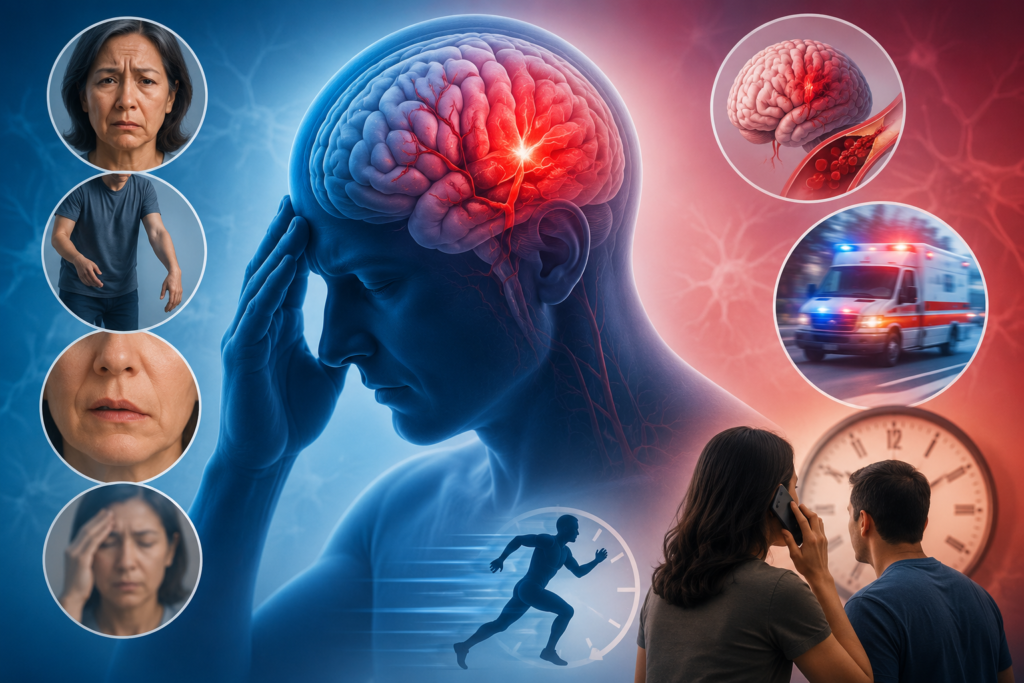
Time is critical in stroke management. Early recognition using the FAST acronym can save lives:
- F – Face: Ask the person to smile. Does one side of the face droop?
- A – Arms: Ask them to raise both arms. Does one arm drift downward?
- S – Speech: Ask them to repeat a simple phrase. Is their speech slurred or strange?
- T – Time: If any of these signs are present, call emergency services immediately.
Other warning signs include:
- Sudden numbness or weakness in the face, arm, or leg, especially on one side
- Sudden confusion, trouble understanding, or difficulty speaking
- Sudden trouble seeing in one or both eyes
- Sudden dizziness, loss of balance, or difficulty walking
- Severe sudden headache with no known cause
Early intervention can prevent permanent brain damage and significantly improve recovery outcomes.
Stroke Treatment Modalities
Treatment depends on the type, severity, and timing of the stroke. The goal is to restore blood flow, prevent complications, and minimize long-term disability.
- Emergency Stroke Treatments
- Thrombolytic Therapy (Clot-Busting Drugs):
- Used for ischemic strokes if administered within a few hours of symptom onset.
- Drugs like tPA (tissue plasminogen activator) dissolve the clot and restore blood flow.
- Requires immediate hospital care to reduce the risk of bleeding.
- Mechanical Thrombectomy:
- A minimally invasive procedure to remove large clots in major brain arteries.
- Performed in specialized stroke centers under imaging guidance.
- Can significantly improve recovery if done promptly, typically within 6–24 hours of stroke onset.
- Hemorrhagic Stroke Management:
- Focuses on controlling bleeding, reducing pressure on the brain, and preventing complications.
- May require surgical interventions like aneurysm clipping, coiling, or decompressive craniectomy.
- Blood pressure control and careful monitoring in ICU settings are critical.
- Preventive and Long-Term Stroke Management
- Medications:
- Antiplatelet agents (e.g., aspirin, clopidogrel): Prevent clot formation
- Anticoagulants (e.g., warfarin, DOACs): For patients with atrial fibrillation or high clot risk
- Blood pressure-lowering drugs: Reduce the risk of recurrent stroke
- Cholesterol-lowering drugs (statins): Reduce atherosclerosis risk
- Lifestyle Modifications:
- Maintaining a healthy diet rich in fruits, vegetables, and whole grains
- Regular exercise to improve cardiovascular health
- Avoiding smoking and limiting alcohol intake
- Managing diabetes, hypertension, and cholesterol effectively
- Rehabilitation and Recovery
Post-stroke rehabilitation is crucial to regain independence and improve quality of life. Interventions include:
- Physical therapy: Improves strength, balance, and mobility
- Occupational therapy: Helps patients relearn daily activities and regain independence
- Speech therapy: Addresses speech, language, and swallowing difficulties
- Psychological support: Treats post-stroke depression and cognitive issues
- Advanced and Emerging Treatments
- Neuroprotective Therapies:
- Research is ongoing into drugs and interventions that protect neurons from damage during and after a stroke.
- Stem Cell Therapy:
- Experimental treatment aimed at repairing damaged brain tissue and promoting recovery.
- Neuromodulation Techniques:
- Techniques like repetitive transcranial magnetic stimulation (rTMS) are being explored to improve motor and cognitive recovery in stroke survivors.
- Telemedicine and Remote Monitoring:
- Allows stroke patients to receive timely consultations and follow-ups, especially crucial in rural or underserved areas.
Dr. Kunal Bahrani integrates these advanced approaches with conventional treatment to provide a personalized recovery plan for each patient.
Why Choose Dr. Kunal Bahrani for Stroke Treatment in Faridabad
Dr. Kunal Bahrani is recognized as the best stroke specialist in Faridabad for his expertise in both acute stroke management and long-term rehabilitation. His approach includes:
- Immediate assessment and intervention using the latest diagnostic tools
- Access to cutting-edge treatments such as mechanical thrombectomy, thrombolysis, and advanced neuromodulation techniques
- Comprehensive post-stroke rehabilitation programs
- Personalized preventive strategies to reduce the risk of recurrence
- Supportive care for both patients and their families
Patients under Dr. Bahrani’s care benefit from improved survival rates, reduced complications, and enhanced recovery.
Frequently Asked Questions (FAQs)
Q1: What is the most common warning sign of a stroke?
A: Sudden weakness or numbness on one side of the body, facial droop, or slurred speech are among the most common warning signs.
Q2: How quickly should someone receive treatment after a stroke?
A: Immediate medical attention is critical. Treatments like thrombolysis are most effective if administered within 3–4.5 hours of symptom onset.
Q3: Can strokes be prevented?
A: Yes. Controlling risk factors like high blood pressure, diabetes, cholesterol, and adopting a healthy lifestyle significantly reduce stroke risk.
Q4: What is the role of rehabilitation after a stroke?
A: Rehabilitation helps patients regain physical, cognitive, and speech functions, improving independence and quality of life.
Q5: Are advanced treatments like mechanical thrombectomy widely available?
A: These procedures are available in specialized stroke centers. Timely referral to an experienced stroke specialist like Dr. Kunal Bahrani ensures access to these treatments.
Q6: Can stroke patients fully recover?
A: Recovery depends on stroke severity, timing of treatment, and rehabilitation efforts. Many patients regain significant function with proper care and therapy.
Q7: How can families support a stroke patient?
A: Providing emotional support, encouraging therapy, assisting with daily activities, and helping manage risk factors are crucial for recovery.
Conclusion
Stroke is a medical emergency where every minute counts. Recognizing the warning signs and seeking immediate care can dramatically improve outcomes. Advanced treatments, including thrombolysis, mechanical thrombectomy, neuroprotective therapies, and rehabilitation, combined with lifestyle interventions, provide patients with the best chance of recovery.
Dr. Kunal Bahrani, the best stroke specialist in Faridabad, India, offers comprehensive stroke care, ensuring patients receive prompt treatment, access to advanced modalities, and ongoing support for long-term recovery. Awareness, early action, and expert care can save lives and reduce the devastating impact of stroke.