Neuroimmunology & Rising Neurological Disorders: Understanding the Brain–Immune Connection
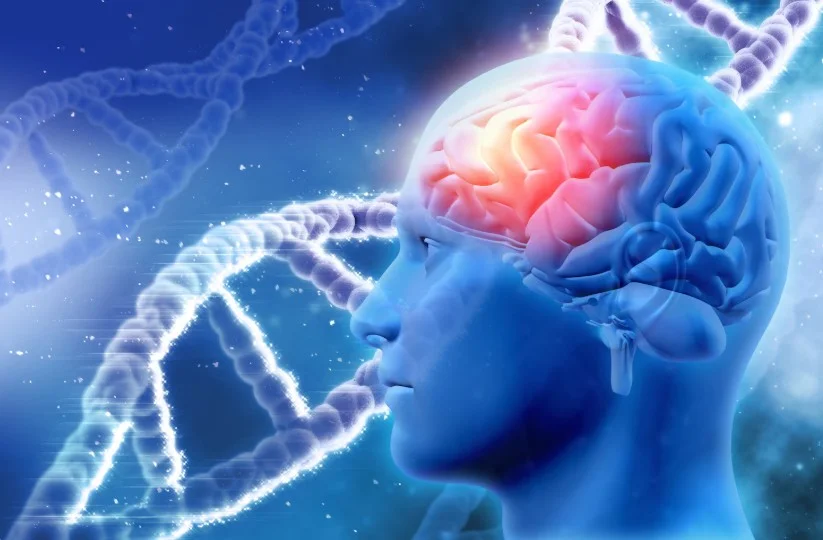
In recent years, there has been a noticeable rise in neurological disorders worldwide. Many of these conditions are no longer viewed purely as “brain problems” but are increasingly linked to the immune system. This evolving field of medicine is known as neuroimmunology—the study of how the immune system interacts with the brain and nervous system.
Understanding this connection has transformed the diagnosis and management of complex neurological diseases such as Multiple Sclerosis and Neuromyelitis Optica Spectrum Disorder (NMOSD), offering patients better outcomes and improved quality of life.
What is Neuroimmunology?
Neuroimmunology focuses on the relationship between the central nervous system (brain and spinal cord) and the immune system.
Under normal conditions, the immune system protects the body from infections. However, in autoimmune neurological disorders, the immune system mistakenly attacks healthy nerve cells, leading to inflammation, damage, and loss of function.
Why Are Neurological Disorders Increasing?
Several factors contribute to the rising incidence of neuroimmunological conditions:
- Lifestyle changes and increased stress
- Environmental factors such as pollution
- Improved diagnostic techniques, leading to better detection
- Genetic predisposition
- Changes in immunity due to infections or other triggers
This increase highlights the importance of early diagnosis and specialized care.
Key Neuroimmunological Disorders
Multiple Sclerosis (MS)
Multiple Sclerosis is one of the most common neuroimmunological conditions.
- The immune system attacks the myelin sheath (protective covering of nerves)
- This disrupts communication between the brain and the body
- Symptoms may include:
- Vision problems
- Weakness or numbness
- Balance issues
- Fatigue
MS often follows a relapsing-remitting course, where symptoms come and go.
Neuromyelitis Optica Spectrum Disorder (NMOSD)
Neuromyelitis Optica Spectrum Disorder (NMOSD) is a rare but severe autoimmune disorder.
- Primarily affects the optic nerves and spinal cord
- Leads to:
- Vision loss
- Paralysis or weakness
- Severe neurological disability
Unlike MS, NMOSD attacks are often more severe and require prompt treatment.
Role of Disease-Modifying Therapies (DMTs)
One of the most significant advancements in neuroimmunology is the use of Disease-Modifying Therapies (DMTs).
What are DMTs?
DMTs are medications designed to:
- Modify the immune system’s abnormal response
- Reduce the frequency and severity of disease attacks
- Slow disease progression
- Prevent long-term disability
Importance of DMTs in MS & NMOSD
In Multiple Sclerosis:
- DMTs help reduce relapses
- Delay progression of disability
- Improve long-term outcomes
In NMOSD:
- DMTs and immunosuppressive therapies prevent severe attacks
- Reduce the risk of permanent neurological damage
Early initiation of DMTs is crucial for better disease control and improved quality of life.
Symptoms You Should Not Ignore
Early signs of neuroimmunological disorders can be subtle but important:
- Sudden vision loss or blurred vision
- Numbness or tingling in limbs
- Unexplained weakness
- Difficulty walking or maintaining balance
- Chronic fatigue
- Bladder or bowel dysfunction
If these symptoms persist or recur, immediate medical evaluation is necessary.
Diagnosis & Evaluation
Accurate diagnosis involves:
- Detailed neurological examination
- MRI scans of brain and spinal cord
- Blood tests for specific antibodies (especially in NMOSD)
- Lumbar puncture (in selected cases)
Early and precise diagnosis helps initiate timely treatment.
Importance of Expert Care
Managing neuroimmunological disorders requires specialized knowledge and experience.
Dr. Kunal Bahrani is widely regarded as one of the best doctors for neurological disorders, offering advanced care for conditions like MS and NMOSD.
With a patient-centric approach, he focuses on:
- Early diagnosis and intervention
- Personalized treatment plans including DMTs
- Long-term disease monitoring
- Comprehensive neurological care
Living with Neuroimmunological Disorders
While these conditions are chronic, they are manageable with the right treatment and lifestyle adjustments.
🧘 Lifestyle Tips:
- Maintain a balanced diet
- Stay physically active
- Manage stress effectively
- Follow medication regularly
- Attend regular follow-ups
Support from family and caregivers also plays a vital role in improving quality of life.
Future of Neuroimmunology
Ongoing research is leading to:
- More targeted therapies
- Better biomarkers for early detection
- Improved understanding of immune mechanisms
The future holds promise for more effective and personalized treatments.
Frequently Asked Questions (FAQs)
- What is neuroimmunology?
It is the study of how the immune system interacts with the brain and nervous system, especially in autoimmune diseases.
- Is Multiple Sclerosis curable?
No, MS is not curable, but it is manageable with medications like DMTs that slow progression and reduce relapses.
- How is NMOSD different from MS?
NMOSD mainly affects the optic nerves and spinal cord and tends to have more severe attacks compared to MS.
- What are DMTs?
Disease-Modifying Therapies are medications that reduce disease activity, prevent relapses, and slow progression.
- When should I see a neurologist?
If you experience symptoms like vision problems, numbness, weakness, or balance issues, consult a neurologist immediately.
- Can early treatment improve outcomes?
Yes, early diagnosis and timely initiation of treatment significantly improve long-term outcomes.
Conclusion
Neuroimmunology has reshaped our understanding of neurological disorders, highlighting the critical role of the immune system in brain health. Conditions like Multiple Sclerosis and Neuromyelitis Optica Spectrum Disorder may be complex, but with advancements like DMTs, effective management is now possible.
If you or your loved one is experiencing symptoms, consulting an expert like Dr. Kunal Bahrani can make a significant difference.
Because early action today can protect your neurological health for tomorrow.